Review: Floral Line Art Black and White Vector for Embroidery
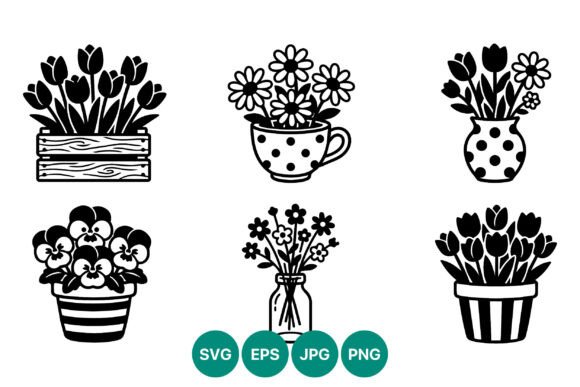
As a designer who spends half my life staring at digitized files and the other half pulling thread through fabric, I have learned to be skeptical of "simple" designs. Simplicity is often where mistakes hide. When I first opened the Floral Line Art Black and White Vector, my initial reaction was one of cautious optimism. The preview showed six distinct floral arrangements, ranging from tulips in a wooden crate to daisies in a polka dot cup. It looked clean, modern, and versatile. But does it hold up under the needle? That is the only question that matters when you are running a craft business or creating personalized gifts.
The Aesthetic: Minimalism with Personality
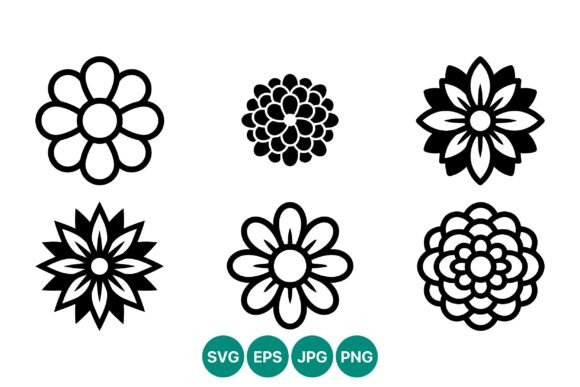
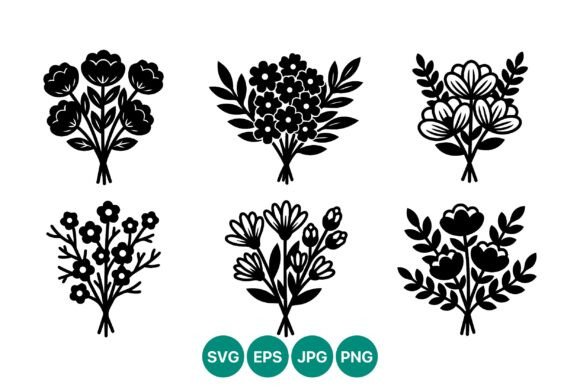
This collection falls squarely into the category of Illustrations and Graphics that rely on strong linework rather than dense shading. For an embroidery designer, this is both a blessing and a challenge. The black and white line art style suggests a modern, perhaps Scandinavian or botanical aesthetic. It feels appropriate for contemporary home decor or minimalist apparel. The variety is impressive; you have tulips, pansies, mixed flowers, and daisies, each housed in unique containers like striped pots or jars. This variety means you are not just buying one motif, but a small library of design assets that can be mixed and matched.
The mood is cheerful yet restrained. It does not scream for attention, which makes it perfect for subtle branding on a tote bag or a delicate accent on a baby item. However, because these are vector-based line arts originally, the translation to stitch requires careful consideration of how lines become threads.
Real-World Application: From Screen to Stitch
I recently tested a similar style of line art for a client’s boutique shop. They wanted a series of embroidered tea towels for a spring collection. I chose the daisy arrangement in the polka dot cup for this test. On screen, the polka dots looked crisp. In reality, translating tiny circular fills into embroidery requires precision. If the stitch density is too high, the fabric puckers. If it is too low, the backing shows through.
For this specific embroidery project, the tulip in the wooden crate stood out as the strongest candidate for a larger hoop size. The straight lines of the crate translate beautifully into satin stitches or tight running stitches, providing a solid frame for the more organic curves of the tulip petals. This design would work exceptionally well as a sweatshirt embroidery piece, placed off-center on the chest for a modern look. It avoids the bulk that often comes with large floral fills, making it comfortable to wear.
When considering this for a custom apparel line, think about the target audience. The pansies in the striped pot have a playful vibe that suits children’s clothing or nursery decor. Imagine this stitched onto a muslin swaddle or a denim jacket. The contrast of black thread on light denim creates a striking visual that appeals to buyers looking for unique, handmade products.
Navigating Technical Challenges
While the aesthetic is appealing, we must address the technical realities of using line art in machine embroidery. These designs are not traditional applique designs with large fabric cutouts, nor are they heavy fill-stitch patterns. They rely on outline integrity. Here is where you need to be careful.
- Fabric Texture: On textured fabrics like terry cloth or heavy linen, fine lines can get lost. The thread colors must contrast sharply with the fabric. A dark gray thread on a black shirt will vanish. Stick to high-contrast combinations.
- Stabilizer Choice: Because these designs likely use a mix of running stitch and narrow satin stitches, proper stabilization is non-negotiable. Use a cut-away stabilizer for stretchy fabrics like t-shirts to prevent distortion over time. For woven fabrics like cotton tote bags, a tear-away might suffice, but test first.
- Small Details: The polka dots on the cup and jar require scrutiny. If the digitizer has converted these into tiny satin columns, they may snag easily. If they are filled with a simple pattern, ensure the stitch length is short enough to define the shape without creating a hole in the fabric.
- Hoop Size: Always confirm the required hoop size before starting. Some of these arrangements, particularly the mixed flowers, may require a 5x7 or larger hoop to maintain proportion. Do not try to shrink them down to a 4x4 hoop unless you are certain the detail remains legible.
Commercial Viability and Brand Consistency
For Etsy sellers and small shop owners, consistency is key to building brand trust. This Floral Line Art Black and White Vector set offers a cohesive look. You can create a product line that includes embroidered patches, pillow covers, and kitchen towels that all share the same visual language. This cohesiveness helps customers recognize your brand.
However, before listing any finished product for sale, you must verify the licensing terms. Just because a file is labeled as a digital embroidery file does not automatically grant commercial rights. Check the documentation provided with the download. If the license allows for commercial use, you can confidently market these as part of your craft business inventory. If not, they are best reserved for personal projects or gifts.
From a marketing perspective, these designs photograph well. The high contrast of black and white line art pops in online listings, making them ideal for printable mockups and social media previews. A well-lit photo of the tulip crate design on a natural canvas tote can drive significant engagement.
Final Designer Notes
Before you commit to a full production run, follow these practical steps:
- Test on Scrap Fabric: Never stitch directly on your final garment. Use the same type of fabric and stabilizer you plan to use for the final product.
- Check Thread Tension: Line art reveals tension issues quickly. If your bobbin thread is showing on top, adjust your tension before ruining good material.
- Inspect Small Details: Zoom in on the digitized file. Look for overlapping stitches or unnecessary jumps that could cause thread breaks.
- Consider the End Use: Will this item be washed frequently? If so, ensure the stitch density is sufficient to withstand agitation without unraveling.
In conclusion, the Floral Line Art Black and White Vector is a promising addition to any designer’s library. It bridges the gap between digital illustration and tactile craft. With careful attention to fabric choice, stabilizer, and stitch parameters, it can elevate a simple handmade product into a professional-grade item. Whether you are creating a holiday embroidery gift or stocking your online store, these designs offer the flexibility and charm needed to succeed in today’s market. Just remember: the beauty is in the execution.