Vintage Floral Fruit Frame Clipart Review
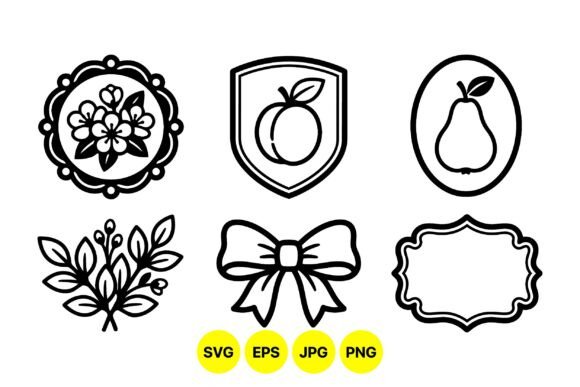
As someone who has spent years stitching out designs for clients and running a small handmade shop, I know that the difference between a good product and a great one often lies in the details. When I first saw Vintage Floral Fruit Frame Clipart, my initial thought wasn't about the file size or the download speed. It was about where this design would live on a finished piece of fabric. The prompt is simple: a set of black outline vector icons featuring a floral badge, peach fruit shield, pear icon, plant branch, ribbon bow, and an ornate decorative frame. But for an embroidery designer, the question is always how those clean lines translate into thread.
This isn't just another generic illustration pack; it feels like a collection of assets meant to tell a story. The mood is distinctly nostalgic, leaning heavily into a rustic-chic aesthetic that fits perfectly with the current trend toward farmhouse decor and artisanal branding. Before I even opened the file to test the stitch density, I could visualize this design on a linen apron hanging in a boutique kitchen or embroidered onto a canvas tote bag for a local farmers market vendor. The "Vintage" aspect of the title is earned here through the specific choice of botanical elements and the classic serif-style framing, which suggests quality and timelessness rather than fleeting trends.
From Vector Lines to Stitched Reality
The transition from a digital vector graphic to a physical embroidery design requires a keen eye. Outline graphics can be tricky because they rely entirely on the contrast between the thread color and the background fabric. With Vintage Floral Fruit Frame Clipart, the lack of internal fill in the original vector means the final look depends heavily on how we convert those lines into satin stitches or running stitches. For a project like a custom sweatshirt or a baby onesie, the clean outlines offer a sophisticated, minimalist look that avoids the bulkiness of heavy fill stitches.
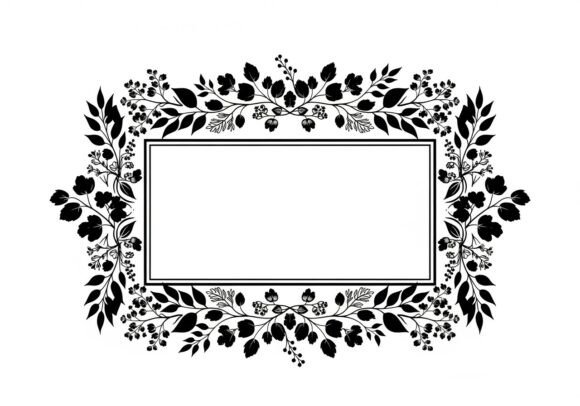
I recently considered using the floral badge element for a series of personalized gift sets intended for wedding favors. The idea was to create a cohesive brand identity across different items. The ornate decorative frame within this set is particularly versatile. It doesn't scream for attention but rather acts as a dignified border that elevates whatever text or smaller motif sits inside it. In a commercial embroidery context, this kind of subtle elegance builds trust. Customers are more likely to perceive a product as premium if the design feels intentional and refined rather than cluttered or overly dense.
However, the effectiveness of this design hinges on the execution of the stitch density. If the conversion process turns the thin outlines into thick, muddy blocks of thread, the vintage charm will be lost. The design works best when the digitizer respects the negative space, allowing the fabric texture to show through slightly. This is crucial for products like pillow covers or tea towels, where the tactile feel of the fabric is part of the appeal. A heavy-handed application would make a soft cotton towel feel stiff and unwearable.
Real-World Application Scenarios
Let's talk about practical use cases. I have tested similar outline styles on various substrates, and the results vary wildly depending on the material. Vintage Floral Fruit Frame Clipart shines brightest on stable, medium-weight fabrics. Imagine applying the peach fruit shield design to a sturdy canvas tote bag. The clean lines of the vector would translate beautifully into a crisp satin stitch border, creating a professional logo that withstands the rigors of daily use without fraying at the edges.
For the craft business owner, this asset offers flexibility. You could use the plant branch and ribbon bow elements to create a custom label for your handmade soap or candle packaging. By embroidering these motifs onto a small patch and attaching it to the product, you add a layer of authenticity that mass-produced stickers simply cannot match. The "Graphics" category often implies static images, but when converted to a machine embroidery design, these become dynamic assets that enhance the perceived value of your goods.
Consider a holiday gift scenario. Embroidering the pear icon or the floral badge onto a child's sweater or a festive holiday stocking creates a unique keepsake. The simplicity of the outline style ensures that the design remains legible even on small surfaces like the cuff of a sweatshirt or the front panel of a baseball cap. It avoids the risk of the thread tangling in tight corners, a common issue with complex, multi-colored fill designs.
Yet, there are limitations to keep in mind. If you are working with stretchy knit fabrics, such as a standard t-shirt or a fitted dress, you must be cautious. Outline designs can sometimes distort if the stabilizer isn't chosen correctly. The tension of the stitches might pull the fabric, causing the circular elements of the frame to warp. In these cases, a cut-away stabilizer is non-negotiable to maintain the integrity of the embroidery project.
Navigating Challenges and Technical Nuances
Not every surface is suitable for this type of design. Textured fabrics, like heavy bouclé wool or rough burlap, can obscure the fine details of the floral badge and the delicate curves of the ribbon bow. The needle might struggle to penetrate the thick weave consistently, leading to uneven stitches that ruin the visual symmetry. Similarly, dark fabrics require careful consideration of thread colors. While the original vector is black, switching to a white or metallic thread for the outline on a dark background changes the entire vibe. It becomes a high-contrast statement piece, whereas a matching thread color creates a subtle, tonal effect.
One critical area where designers often stumble is the handling of tiny lettering or intricate corners. If this set includes any text elements, they must be reviewed closely. Tiny details in outline designs can easily disappear if the hoop size is too small or if the fabric shifts during stitching. Always test the design on scrap fabric first. This step is vital for verifying that the thread colors provide enough contrast and that the stitch density isn't so high that it puckers the material.
For those selling finished products on platforms like Etsy, the presentation matters. A well-executed Vintage Floral Fruit Frame Clipart design on a high-quality fabric serves as a powerful marketing tool. It signals to the buyer that the maker cares about precision and aesthetics. Conversely, a poorly executed version can lead to returns and damaged reputation. Therefore, checking whether the design works for both personal and commercial projects is essential before listing items for sale.
Essential Designer Notes for Success
- Test on Scrap Fabric: Never commit to a final product without a trial run. Check how the threads interact with the specific weave of your chosen material.
- Review Stitch Density: Ensure the outlines aren't too thick. Thin, elegant lines preserve the vintage feel better than heavy, blocky stitches.
- Confirm Hoop Size: Make sure the design fits comfortably within your machine's hoop without cutting off key elements like the corners of the ornate frame.
- Inspect Small Details: Zoom in on the digital mockup to see if the floral details are clear enough to be stitched accurately.
- Check Licensing: Verify the terms of use. Even though this is a graphic asset, commercial rights for selling finished embroidered items may vary.
- Use Proper Stabilizer: Match the stabilizer weight to the fabric weight to prevent distortion and ensure clean edges.
- Compare Backgrounds: Test the design against both light and dark backgrounds to ensure the thread choice provides the desired visibility.
In conclusion, Vintage Floral Fruit Frame Clipart is a strong contender for designers looking to add a touch of rustic elegance to their portfolio. It bridges the gap between digital illustration and tangible craftsmanship effectively. Whether you are creating a branded line of tote bags, designing a custom baby gift, or producing boutique home decor, this design offers a solid foundation. Its strength lies in its versatility and the way it invites the viewer to imagine the texture of the thread against the fabric. Just remember that the success of the final product rests on the technical decisions made during the digitizing and stitching process. With careful planning and the right materials, this clipart set can elevate a simple handmade item into a cherished, professional-grade piece.