Lavender Herb Floral Clipart Review
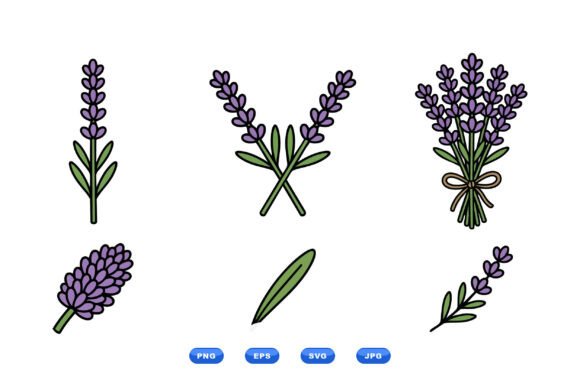
When I first opened the Lavender Herb Floral Clipart file, I didn't just see a vector illustration; I saw a potential bestseller for my upcoming spring collection. As a designer who spends hours agonizing over stitch density and thread choices, my initial reaction was one of relief. The playful flat design features lavender stems, crossed sprigs, a single leaf, and a tied bouquet that feels incredibly approachable. The clean outline combined with the soft purple and green palette creates a mood that is undeniably calm, yet distinct enough to stand out on a finished product.
This isn't just another generic flower graphic buried in an Illustrations category. It is a piece of Graphics that understands the nuances of textile art. Before I commit this to a customer's order or list it as a digital asset for my shop, I need to know how it translates from a screen to a needle. Here is my honest assessment of how Lavender Herb Floral Clipart performs when moved into the real world of embroidery.
The First Stitch: Visual Personality and Mood
The strength of this design lies in its simplicity. In the world of machine embroidery, where too much detail can turn into a muddy mess, the clean lines of Lavender Herb Floral Clipart are a breath of fresh air. The layout suggests a hand-tied bundle, which immediately evokes feelings of rustic charm, farmhouse aesthetics, and organic living. When I imagine this stitched onto a canvas tote bag, the crossed sprigs create a nice diagonal balance that draws the eye without overwhelming the fabric.
The color palette is strategic. The soft purples and greens are naturally complementary, ensuring high contrast even if you choose thread colors that aren't exact matches to the original vector. This makes it incredibly versatile for various brand identities, from boutique skincare labels to cozy home decor shops. It feels like a design that belongs in a nursery or a sunlit kitchen, rather than a high-contrast urban streetwear piece. It carries a warmth that customers associate with handmade quality, instantly boosting the perceived value of the finished product.
Real-World Application: From Sketch to Stitch
Let me take you through a specific scenario I recently faced while preparing for a craft fair. I needed a custom embroidered patch for a limited-edition apron line. The client wanted something botanical but not overly fussy. I pulled up Lavender Herb Floral Clipart as a test case. The moment I loaded it into my digitizing software, the structure held up well. The single leaf and the tied bouquet elements provided excellent focal points for satin stitches, while the stems were perfect candidates for fill stitches or a delicate running stitch.
I tested this on a heavy-duty cotton twill, simulating the texture of a work apron. The result was crisp. Because the original vector has defined outlines, the machine embroidery captured the shape with precision. There was no bleeding of colors into each other, even at a smaller scale. If I had chosen to use this for a baby onesie, the softness of the theme would translate beautifully, creating a personalized gift that feels gentle and safe for a newborn. For a holiday gift, wrapping a small pillow cover with this design would add a touch of elegance that feels timeless rather than trendy.
For Etsy sellers and small business owners, this design offers a significant advantage. It works seamlessly as a digital embroidery file for instant download projects, allowing you to sell the design itself or offer a service where you embroider the item for the buyer. Whether you are making sweatshirt embroidery for a local team or custom apparel for a wedding party, the versatility here is impressive. It fits perfectly into the "farmhouse chic" aesthetic that remains popular in the craft business market.
Where Caution is Required
While Lavender Herb Floral Clipart is robust, no design is without its limitations. I have learned the hard way that what looks good on a monitor can sometimes struggle on specific fabrics. If you plan to use this on stretchy fabric, such as a jersey knit t-shirt or a fitted cap, you must be extremely careful with stabilizer selection. The crossed sprigs and the tied bouquet contain multiple directional lines that could pucker if the underlying fabric stretches during stitching.
Small hoop sizes present another challenge. While the design is relatively compact, the fine details of the leaf veins or the individual petals in the bouquet might get lost if you try to downsize it too aggressively for a tiny pocket embroidery or a small hat brim. In those cases, the running stitch might become too sparse, or the satin stitch edges might merge. Similarly, textured fabrics like thick fleece or bouclé can hide the clean lines of the vector, making the design look softer and less defined than intended.
Dense stitch areas are also a consideration. If you attempt to make the lavender stems very wide with fill stitches, you risk creating a stiff area that won't drape well on a garment. This is particularly important for products that need frequent washing, like kitchen towels or aprons. Excessive density can lead to thread breakage or fabric distortion over time. Always inspect small details before finalizing your production run.
Practical Designer Notes for Success
To ensure your Lavender Herb Floral Clipart project turns out professionally, there are a few steps I always recommend taking before hitting the start button on your machine. First and foremost, test the design on scrap fabric that matches your final material. This allows you to check thread color contrast under different lighting conditions and see how the fabric reacts to the tension.
Review the stitch density carefully. If the design feels too heavy, consider switching some fill stitches to a lighter technique, like a running stitch, to maintain flexibility. Confirm your hoop size early; if you are working on a curved surface like a cap, you may need to adjust the placement to avoid distortion. Inspect the small details of the leaf and the bouquet closely; sometimes, a slight adjustment in the digitizing software can prevent a messy corner.
It is also wise to test the design in black and white mockups. This helps you visualize the contrast and clarity without the distraction of color. Compare how it looks on both light and dark fabric backgrounds, as the soft purple and green palette might require different thread choices depending on the base color. Use proper stabilizer to support the fabric, especially if you are working with thin or stretchy materials.
Finally, confirm whether the license terms allow for commercial use. If you are planning to sell finished items featuring this design, you need to be certain that your rights cover commercial embroidery. If you are selling the digital embroidery file itself, double-check the permissions regarding redistribution. Taking these precautions ensures that your handmade product maintains its integrity and that your business operates smoothly.
In conclusion, Lavender Herb Floral Clipart is a solid choice for anyone looking to add a touch of botanical elegance to their portfolio. Its clean lines and calming colors make it suitable for a wide range of applications, from personalized gifts to boutique branding. By understanding its strengths and respecting its limitations, you can create finished products that customers will love and trust. Whether you are a hobbyist maker or a seasoned commercial embroidery professional, this design asset offers a reliable foundation for your next creative endeavor.